
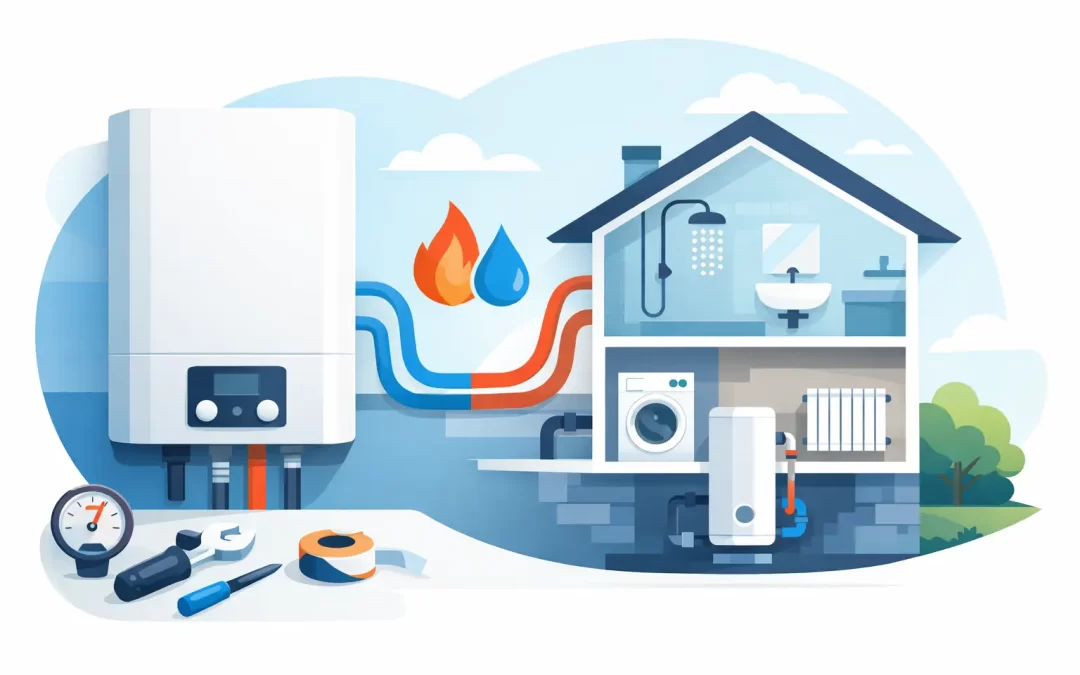
A boiler rarely chooses a convenient time to fail. One day, the radiators take longer to warm up, the hot water runs lukewarm, or the pressure keeps dropping. The next, you are weighing up a boiler installation while trying to keep the household comfortable. A well-planned replacement is not simply about fitting a newer boiler. It is about choosing a heating system that suits your property, daily routine and budget for years to come.
For homeowners and landlords across London and the South East, the right advice at the start can prevent unnecessary disruption, high running costs and a system that never quite meets demand.
When is boiler installation the sensible option?
Most boilers can be repaired, particularly when the fault is isolated and replacement parts are readily available. However, repairs become less attractive when breakdowns are frequent, parts are difficult to source or the cost of repair is significant compared with the value of a modern replacement.
Age matters, but it is not the only consideration. An older boiler that is still operating may be less efficient than a current model, meaning more of the energy you pay for is lost through the system. If your heating bills are rising, rooms heat unevenly or the boiler is becoming unreliable during colder weather, replacement may offer better long-term value than another short-term fix.
A new boiler can also make sense during a home improvement project. Extensions, loft conversions and additional bathrooms all change the demand placed on a heating and hot water system. A boiler that was suitable for a two-bedroom home may struggle once more people are using showers, taps and radiators at the same time.
For landlords, a dependable boiler helps protect tenants from avoidable disruption and supports ongoing compliance responsibilities. For homeowners, it brings the reassurance of reliable heating and hot water when it matters most.
Choosing the right type of boiler
The best boiler is not necessarily the largest, the most expensive or the one a neighbour has installed. It needs to be correctly specified for the property and how it is used. A qualified engineer should assess the existing system, hot water demand, available space and flue route before recommending a solution.
Combi boilers for compact homes
A combi boiler provides heating and hot water directly from the mains, without needing a separate hot water cylinder or cold-water storage tank. This makes it a popular choice for flats, smaller houses and homes with limited cupboard or loft space.
Combi boilers provide hot water on demand, which can be convenient for one-bathroom properties or households with moderate use. The trade-off is that their hot water flow can be limited when several outlets are used together. If one person is showering while another runs a bath or kitchen tap, performance may not meet expectations depending on mains water pressure and the boiler chosen.
System boilers for higher hot water demand
A system boiler works with a separate hot water cylinder. It can store a useful volume of hot water, making it better suited to larger homes, properties with more than one bathroom or households where showers are often used at the same time.
The cylinder requires space, and stored hot water needs to be planned around household routines. In return, a system boiler can deliver stronger, more consistent hot water availability when demand is higher.
Regular boilers for older heating systems
Regular boilers, sometimes called conventional boilers, work alongside both a cylinder and feed tanks. They are often found in older properties with traditional heating layouts. Keeping this type of arrangement can sometimes be practical where the system is already in good condition and changing it would require substantial alterations.
That said, replacing an older regular boiler with a combi or system boiler may free up space and modernise the installation. It depends on the pipework, water pressure, household demand and the level of disruption you are willing to accept.
Size is about demand, not guesswork
Boiler output is measured in kilowatts, but a larger figure does not automatically mean better heating. An oversized boiler may cost more than necessary and may not operate as efficiently as it should. An undersized boiler can leave rooms slow to heat and hot water supply disappointing.
Correct sizing takes account of the number of radiators, bathrooms, occupants, insulation standards and the property’s heat loss. A draughty period home and a well-insulated modern home of similar size can have very different heating requirements.
Your engineer should also consider future plans. If you expect to add a bathroom, extend the kitchen or convert part of the property, it may be sensible to plan the heating system around that future demand rather than replace it again soon afterwards.
What a professional boiler installation should include
A boiler installation is safety-critical gas work. It must be completed by a Gas Safe registered engineer, with the appliance fitted in line with the manufacturer’s instructions and current regulations. This is not an area for shortcuts.
Before work begins, the engineer should inspect the existing boiler, pipework, radiators, controls, flue position and condensate drainage. They should explain the recommended boiler type, where it will be located and whether any upgrades are needed. Clear answers at this stage are a good sign that the installation is being designed properly rather than treated as a like-for-like swap without assessment.
The work itself may involve removing the old boiler, altering pipework, fitting a new flue, connecting condensate drainage and installing updated controls. If the boiler is moving to a different room, the job can take longer because of the additional pipework, electrical and flue requirements.
Once installed, the boiler should be commissioned and tested. The engineer should check gas safety, system pressure, heating operation, hot water performance and controls. You should also be shown how to operate the system, understand the pressure gauge and identify any routine care required.
Finally, the installation should be registered with the relevant body where required, and you should receive the appropriate paperwork, including the manufacturer warranty information. Keep these documents safely, as they may be needed for future servicing, repairs or when selling the property.
Why system cleaning and controls matter
A new boiler connected to a dirty, neglected heating system can inherit old problems. Sludge, rust and debris inside radiators and pipework can restrict circulation, cause cold spots and put unnecessary strain on components.
In some cases, a powerflush or a thorough system clean is recommended before or during installation. This helps remove contamination and gives the new boiler a cleaner system to work with. The right approach depends on the condition of the existing heating system, so it should follow an inspection rather than be added automatically.
Modern controls are equally important. A programmable thermostat lets you set heating times around your routine, while thermostatic radiator valves help manage temperatures room by room. Smart controls can offer additional flexibility, but they are most useful when the household will actually use them. Simple, well-set controls are often more effective than complicated features left untouched.
Preparing your home for installation day
Most straightforward replacements can be completed in a day, although a more involved installation may take longer. A little preparation helps the work proceed safely and with less disruption.
Clear access around the current boiler, radiators and any relevant cupboards or loft areas. Move fragile items away from the work space and let the engineer know about parking restrictions, pets, vulnerable occupants or access arrangements. If water or heating will be off for part of the day, plan around that where possible.
It is also worth asking practical questions before the work starts: where will the new boiler be located, will there be visible pipework, how will the old boiler be removed, and what reinstatement is included? Good communication avoids surprises and helps you make informed decisions before the job is underway.
Looking beyond the upfront cost
The cost of a new boiler varies with the boiler model, system type, location, flue work, controls and any necessary upgrades to pipework or radiators. A like-for-like combi replacement is usually more straightforward than moving a boiler or converting from a conventional system.
The lowest quote is not always the best value. Consider whether it includes correct system preparation, a suitable warranty, quality controls, commissioning and registration. These details affect reliability long after the installer has left.
Financing can also make an essential replacement more manageable, particularly when a boiler fails unexpectedly. The key is to understand the total cost, repayment terms and what is included in the installation before committing.
Keeping a new boiler dependable
After installation, annual servicing is one of the simplest ways to protect safety, efficiency and manufacturer warranty cover. It gives an engineer the chance to inspect the appliance, check combustion and spot developing issues before they become a winter breakdown.
You can help between services by keeping boiler cupboards clear, checking the pressure occasionally and responding promptly to unusual noises, leaks or repeated fault codes. Do not remove the boiler casing or attempt gas-related repairs yourself.
At CKT Boilers, the focus is on matching qualified installation work with clear advice, so customers can make a confident decision about their heating rather than feeling pressured into a quick replacement. The most helpful next step is usually a proper survey: it turns a stressful boiler problem into a clear plan for safer, more reliable warmth and hot water.