
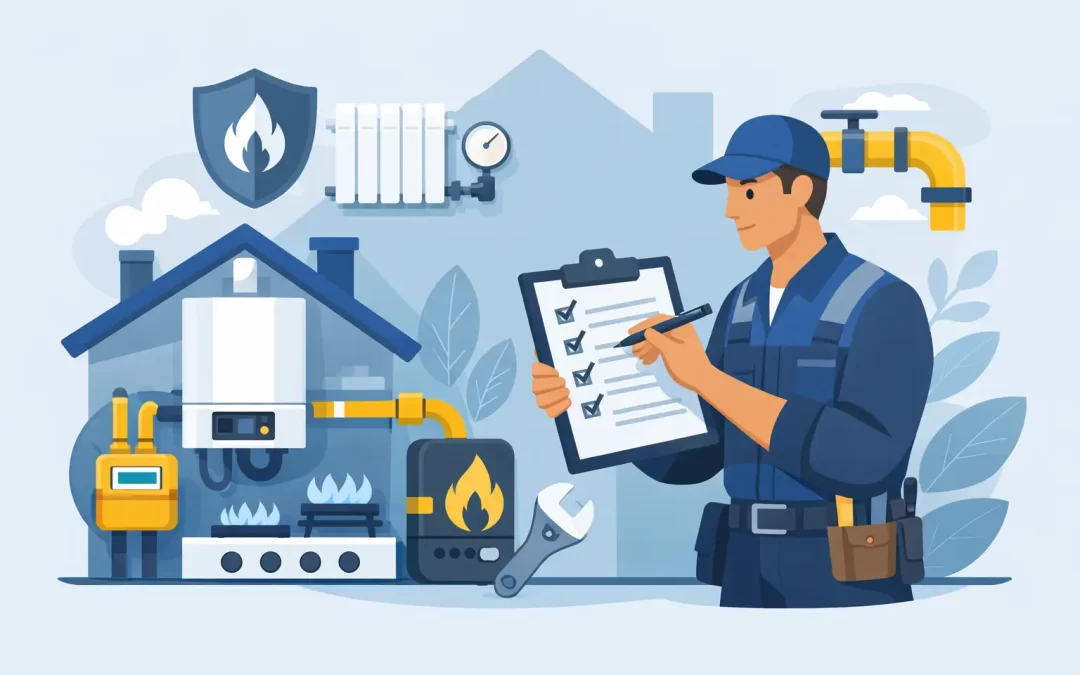
A boiler repair, annual service or new gas appliance should never be treated as a job for whoever can arrive first. A proper gas safe engineer checklist helps you confirm that the person working in your home is qualified for the job, prepared to work safely and clear about what happens next.
For homeowners and landlords, the aim is simple: safe heating, dependable hot water and no uncertainty about who is responsible for the work. Whether you have a boiler that has stopped working, a radiator system that needs attention or a planned replacement, these checks can help you arrange work with confidence.
Gas Safe Engineer Checklist Before You Book
Start by checking that the engineer or company is Gas Safe registered. In the UK, anyone carrying out gas work as part of their job must be registered with the Gas Safe Register. This is not just a badge of reassurance. It means they have been assessed as competent to work safely with gas.
Registration alone is not the full picture, however. An engineer must also hold the right qualifications for the particular appliance and work involved. Someone qualified for domestic boilers may not necessarily be qualified for every type of gas appliance or commercial installation. If you need work on a boiler, gas fire, cooker, hob or warm-air unit, ask whether the engineer is qualified for that specific appliance type.
Before confirming an appointment, establish the scope of the work. Explain the fault or requirement clearly: for example, no heating, low boiler pressure, a leaking radiator, an intermittent pilot light or an annual service. Let the engineer know the boiler make and model if you can find it. Good information at the outset helps the visit run more smoothly and makes it more likely that the right parts and equipment are available.
For an installation or larger repair, ask what the quotation covers. A clear quotation should set out the work proposed, any parts or controls being fitted and whether further work could be required once the system has been inspected. Price matters, but a very low figure can be misleading if it leaves out essential safety checks, controls, flushing, waste removal or commissioning.
What to Check When the Engineer Arrives
A registered engineer can show a Gas Safe Register ID card on arrival. Do not feel awkward asking to see it. It is a normal and sensible request, particularly if you have not used the engineer before.
Check the photograph matches the person at your door and that the card is in date. The back of the card should show the categories of gas work they are qualified to carry out. Take a moment to make sure those categories are relevant to the appliance in your home.
A professional engineer should also be willing to explain the plan before starting. For a fault visit, that may mean diagnosing the issue first rather than promising a repair before the cause is known. For a boiler service, it should include checking the appliance’s safe operation, ventilation where applicable, flue integrity and performance. The exact work depends on the boiler and its condition, but the purpose is always the same: to confirm it is operating safely and efficiently.
You can help by making the boiler and controls easy to access. Clear stored items away from the cupboard or utility area, keep pets in another room where possible and tell the engineer about any previous faults, leaks, error codes or unusual noises. If the boiler is in a loft, ensure there is safe access and suitable lighting. These small preparations can prevent delays and help protect your home during the visit.
The Safety Checks That Should Not Be Skipped
Gas work is more than replacing a part and seeing whether the heating comes back on. The engineer needs to assess the appliance and the wider installation to make sure it can be left safe.
During a boiler service or repair, the engineer may inspect the casing, burner, seals, flue, condensate pipework and controls. They may carry out tests to check for safe combustion and correct gas pressure, then assess whether the boiler is venting properly. A boiler that appears to be working can still require attention if it is producing unsafe combustion readings or if the flue has been installed incorrectly.
If a fault is found, ask for it to be explained in plain English. A good engineer should tell you what the issue is, what needs doing now and what can reasonably wait. In some cases, a repair is the sensible option. In others, particularly with an older boiler that has repeated breakdowns or costly parts failures, replacement may offer better long-term value. The right decision depends on the age, condition and efficiency of the appliance, not simply on whether it can be made to run again today.
Where new equipment is installed, commissioning is essential. This is the process of setting up and testing the appliance to the manufacturer’s instructions, ensuring the controls work correctly and recording the necessary details. Skipping it can affect safety, performance and the manufacturer warranty.
Your Checklist After the Work Is Complete
Before the engineer leaves, make sure you understand what has been done. You should know whether the appliance has been serviced, repaired, isolated or condemned as unsafe. If a part has been replaced, ask what it was and why it failed. If further work is recommended, request a clear explanation and cost before agreeing to it, unless there is an immediate safety issue.
For boiler servicing and installation work, keep any paperwork in a safe place. This may include the service record, commissioning documentation, invoice and manufacturer warranty information. These records are useful when arranging future servicing, making a warranty claim or selling the property.
It is also worth asking the engineer to show you how to use any new controls. Modern thermostats, smart controls and thermostatic radiator valves can make a real difference to comfort and energy use, but only if they are set correctly. A few minutes of guidance can help you avoid overheating rooms or running the boiler when nobody is home.
After a repair, monitor the system for a few days. Check that the heating comes on as expected, hot water reaches the taps properly and there are no drips around the boiler, radiators or pipework. If the original fault returns, contact the company promptly and explain what you have noticed.
Warning Signs You Should Act on Quickly
You do not need to diagnose a gas problem yourself, but you should know when not to wait. Stop using a gas appliance and seek urgent professional advice if you smell gas, see black marks or staining around an appliance, notice lazy yellow flames instead of crisp blue ones, or feel unwell with headaches, nausea, dizziness or unusual tiredness when an appliance is running.
Fit an audible carbon monoxide alarm in rooms with gas appliances, following the manufacturer’s siting guidance. An alarm is an added layer of protection, not a replacement for regular servicing or correct installation. If it sounds, take it seriously, get fresh air and follow the emergency guidance provided with the alarm.
Landlords have additional legal duties. Gas appliances and flues in rented homes must be checked at least every 12 months by a Gas Safe registered engineer, and tenants must receive a copy of the current gas safety record. Even where a property is owner-occupied, arranging an annual boiler service is a sensible way to identify developing issues before they become a winter breakdown.
Choosing the Right Engineer for the Job
Trust is built through the whole experience, not one claim on a van. Look for an engineer or heating company that is clear about qualifications, gives straightforward advice, respects your home and communicates promptly if a repair needs parts or further investigation.
For planned boiler replacement, choose a provider that considers the whole heating system. The correct boiler size, suitable controls, radiator performance and water quality all affect how well the new installation performs. In some homes, powerflushing or system cleaning may be recommended before a new boiler is fitted. It is not required in every case, but it can be valuable where sludge, poor circulation or repeated radiator cold spots are affecting the system.
CKT Boilers provides qualified, customer-focused support for boiler servicing, repairs, installations and wider central heating work across London and the South East. The priority should always be a safe result, a clear explanation and heating you can rely on.
A little care at the booking stage can spare you a great deal of stress later. Keep this checklist to hand, ask sensible questions and choose an engineer who treats your home’s safety and comfort with the attention they deserve.