
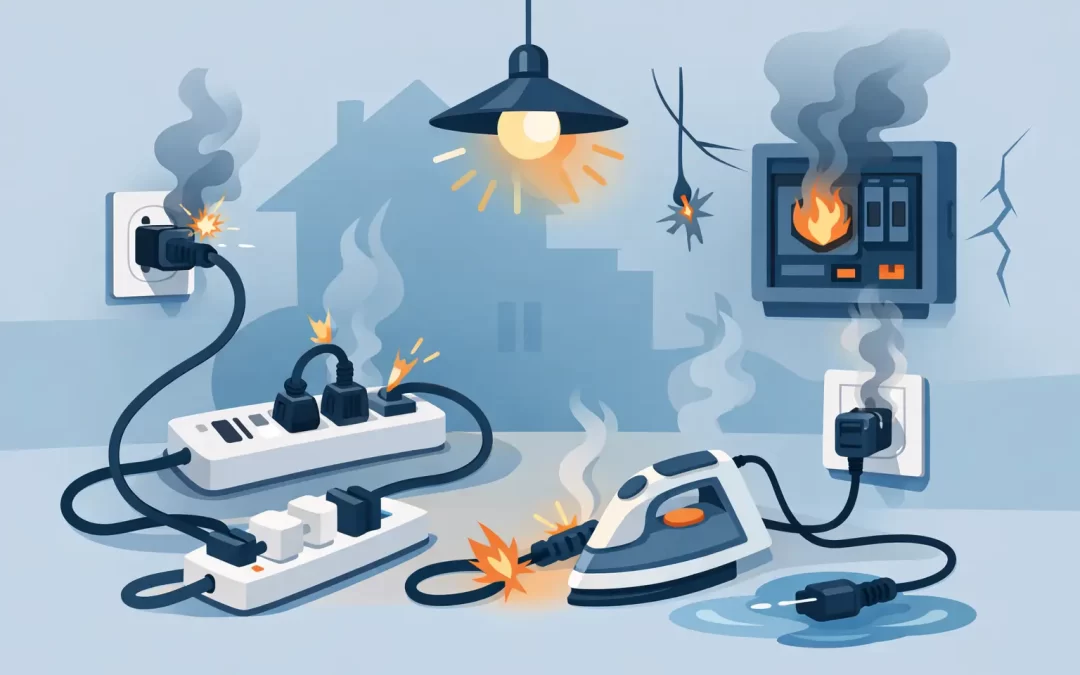
A socket that feels hot, a circuit breaker that keeps tripping, or lights that flicker when you switch on the kettle can be easy to put off. But these are often among the best signs of unsafe electrics in a home. Electrical faults do not always cause an immediate power cut. Sometimes they build quietly behind walls, under floors or inside ageing fittings, creating a real risk of electric shock, damage to appliances or fire.
The right response depends on what you are seeing, hearing or smelling. Some issues can wait for a booked inspection, while others require you to stop using the affected circuit straight away and call a qualified electrician. Knowing the difference helps protect your household without causing unnecessary worry.
Best Signs of Unsafe Electrics to Act On
Burning smells, smoke or scorch marks
A burning smell near a socket, switch, light fitting or consumer unit should never be ignored. It may indicate overheating wires, a loose connection or a component that is failing under load. You might also notice brown marks around a plug socket, discolouration on a switch plate, melted plastic or a faint buzzing sound.
If there is smoke, sparking or a strong burning smell, do not touch the fitting or try to investigate it. If it is safe to do so, turn off power at the consumer unit only if you can do this without approaching the source of the fault. Leave the property and call 999 if there is a fire or immediate danger. Once the area is safe, a qualified electrician should identify the cause before that circuit is used again.
Repeated tripping at the consumer unit
A circuit breaker or RCD is designed to disconnect the electricity when it detects a fault. An occasional trip may happen after a faulty appliance is plugged in, but repeated tripping is a warning that needs proper diagnosis. Resetting it again and again can mask a problem rather than solve it.
Try to note what was being used when the power went off. A particular appliance may be faulty, or the issue may lie in the wiring, a socket, an outside light, a shower circuit or a damp area. If the circuit will not stay on, leave it switched off and arrange an inspection. Do not replace fuses, bypass safety devices or fit a higher-rated breaker yourself.
Sockets and switches that are warm, loose or noisy
Sockets and switches should feel secure and remain cool during normal use. A slightly warm plug can sometimes occur when an appliance has been running, but a hot socket, hot switch or plug that is difficult to remove is not normal. Loose faceplates can also expose connections to movement and wear.
Crackling, popping or buzzing from electrical fittings may point to arcing, where electricity jumps across a poor connection. This produces heat and can damage the fitting over time. Stop using the socket or switch and have it checked, particularly if the problem appears when high-demand appliances such as kettles, heaters, washing machines or tumble dryers are operating.
Flickering or dimming lights
A single flickering bulb may simply be loose or reaching the end of its life. Replace the bulb with the correct type and wattage, then see whether the issue continues. However, widespread flickering, lights dimming when appliances start, or bulbs that repeatedly fail can indicate a loose connection, an overloaded circuit or an issue with the supply.
Pay particular attention if lights brighten and dim unpredictably. This can be a sign of a neutral connection fault, which should be investigated promptly. It is not a job for trial and error, especially in older properties where previous alterations may not meet current standards.
Shocks, tingling or appliance faults
You should never receive an electric shock or tingling sensation when touching an appliance, tap, radiator, switch or metal fitting. Even a mild sensation can indicate that electricity is not being correctly contained or earthed. Stop using the item, avoid touching it with wet hands and arrange for a qualified electrician to test the circuit and appliance.
Appliances that suddenly stop working, trip the power or produce a burning smell may be the source of the problem. Yet it is not always safe to assume the appliance alone is at fault. A professional can test whether the issue is with the appliance, the socket, the circuit or the earthing arrangements.
Signs of Unsafe Electrics Often Found in Older Homes
Many homes across London and the South East have been extended, modernised or altered over several decades. That does not automatically make the electrics unsafe, but it does mean different generations of wiring and workmanship may be present. Old cables can deteriorate, and additions such as loft conversions, garden offices, electric showers and kitchen upgrades place greater demand on an installation.
An old-style fuse box, limited socket provision, fabric-covered cables, damaged wiring or an absence of modern RCD protection are all reasons to book an electrical inspection. A consumer unit does not need replacing simply because it looks old, but a qualified electrician can assess whether it remains safe, suitable and capable of supporting how the property is used now.
Extension leads deserve attention too. They are useful for temporary needs, but permanent reliance on multi-way adaptors and extension reels can create overloaded sockets and trailing cables. Never run leads under rugs or carpets, where heat and damage can go unnoticed. If there are never enough sockets in a room, additional fixed sockets are usually the safer long-term solution.
Damp Areas and Outdoor Electrics Need Extra Care
Bathrooms, kitchens, utility rooms and outdoor spaces have a higher risk because water and electricity are a dangerous combination. A light fitting near a shower, a damaged bathroom extractor fan, condensation around electrical fittings or a socket exposed to splashes should be assessed by an electrician.
Outdoor sockets, garden lighting, hot tubs, sheds and garages also need the correct equipment and protection for their location. Cables intended for indoor use can deteriorate quickly outdoors, while damaged covers allow water into fittings. If an outdoor circuit trips after rain, do not keep resetting it. Moisture may have entered a fitting or cable, and the source needs to be found before power is restored.
When an Electrical Issue Is Urgent
Call for urgent help if you have smoke, fire, sparks, exposed live wiring, a strong burning smell, repeated tripping that leaves essential equipment unsafe, or an electric shock. Keep children and pets away from the affected area. Do not use water on an electrical fire, and do not touch a person who is in contact with a live electrical source before the power has been isolated.
For less immediate concerns, such as ageing fittings, occasional flickering or a socket that has become loose, arrange a professional inspection soon rather than waiting for the problem to worsen. A fault diagnosis can establish what needs repair and what does not, helping you make a sensible decision based on the condition of your installation.
Why Professional Testing Matters
Electrical problems are not always visible. An electrician uses appropriate test equipment to check circuit condition, earthing, insulation resistance, polarity and the operation of protective devices. This provides a clearer answer than judging an installation by appearance alone.
Homeowners may choose an Electrical Installation Condition Report when buying an older property, planning major improvements, concerned about recurring faults or unsure when the electrics were last checked. For landlords in England, electrical safety checks in rented homes are a legal requirement at least every five years, or sooner if the report recommends it.
A good electrician will explain the findings in plain language, make safe any urgent danger and set out proportionate options. Not every observation requires a full rewire. In some cases, a local repair, a replacement accessory, improved protection or a new circuit is enough. In others, particularly where wiring is old or repeatedly failing, a larger upgrade is the safer and more cost-effective route.
If something about your electrics does not look, sound or feel right, trust that instinct. Switching off the affected circuit and arranging a qualified inspection can turn a worrying warning sign into a straightforward repair, while helping to keep your home safe and comfortable.