
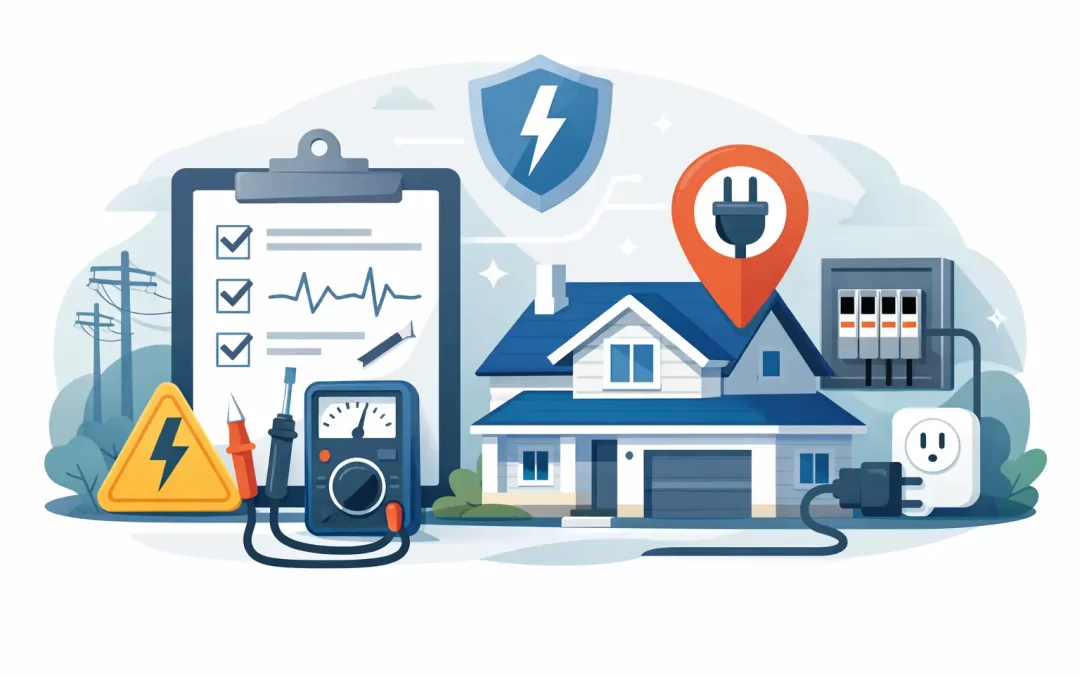
A flickering light, a tripping fuse board or a socket that feels warm can be easy to put off when life is busy. Yet these are the kinds of warning signs that deserve prompt attention. This guide to electrical safety reports explains what an inspection involves, what the findings mean and when it makes sense to arrange one for your home or rental property.
An electrical safety report is not about creating work where none is needed. It is a practical assessment of the fixed electrical installation, designed to identify faults, ageing components and conditions that could put people or property at risk.
What is an electrical safety report?
The formal name for an electrical safety report is an Electrical Installation Condition Report, usually shortened to EICR. It is carried out by a competent electrician who inspects and tests the permanent electrical systems in a property.
This includes the consumer unit, protective devices, wiring, sockets, switches, light fittings, earthing and bonding. The electrician will use testing equipment as well as a visual inspection to check whether the installation is safe for continued use.
An EICR is different from testing portable appliances. A toaster, kettle, extension lead or office printer may need separate checks where appropriate, but they are not normally the focus of an electrical installation condition report. The report is concerned with the wiring and fixed equipment that supplies power around the building.
When should you arrange an EICR?
For landlords in England, electrical safety checks are a legal requirement in most private rented homes. The electrical installation must be inspected and tested at least every five years by a qualified person, with a copy of the report provided to tenants. A report may also specify a shorter interval, particularly where the property is older or the installation has been altered.
For homeowners, an EICR is not generally a legal requirement, but it remains a sensible part of looking after the property. A common guideline is every ten years for an owner-occupied home, or sooner if there are concerns about the condition of the electrics.
It is also wise to arrange an inspection when buying an older property, before major refurbishment, after flood or fire damage, or when you have inherited wiring of uncertain age. If a previous owner has carried out DIY alterations, an independent inspection can provide useful reassurance before you rely on the system every day.
You should not wait for a scheduled report if there are clear signs of a problem. Repeated tripping, burning smells, buzzing from the consumer unit, damaged sockets, electric shocks or discoloured fittings all warrant urgent investigation. Turn off the affected circuit where it is safe to do so and seek professional help.
What does an electrician check during an electrical safety report?
The inspection starts with the visible condition of the installation. The electrician will look for damaged accessories, unsuitable equipment, signs of overheating, exposed wiring, poor workmanship and alterations that may not comply with current safety requirements.
Testing then checks things that cannot be confirmed by sight alone. This may include the continuity of protective conductors, insulation resistance, polarity, earthing arrangements, earth fault loop impedance and the operation of RCD protection. An RCD is a safety device designed to disconnect the supply quickly when it detects a fault, reducing the risk of electric shock.
Some testing may require circuits to be switched off for short periods. A good electrician will explain what is needed before work begins and take reasonable care to minimise disruption. In a home where people work remotely, run medical equipment or have other essential electrical needs, mention this when booking so the visit can be planned properly.
An inspection does not usually mean lifting every floorboard or opening every wall. The electrician assesses what is reasonably accessible and records any limitations. If concealed wiring cannot be inspected directly, test results and the visible condition of the installation help build an accurate picture.
Understanding EICR observations and codes
At the end of the inspection, the report will record observations using recognised classification codes. These codes help you understand whether action is urgent or whether an improvement can be planned for a later date.
- C1 – Danger present: There is an immediate risk of injury. The issue needs urgent action, and the electrician may recommend making the area safe before leaving.
- C2 – Potentially dangerous: A fault is not necessarily causing immediate harm, but it could become dangerous. Remedial work is required.
- FI – Further investigation required: The electrician has identified something that needs additional investigation before its condition can be confirmed.
- C3 – Improvement recommended: The installation may be safe to use, but an upgrade would improve safety or bring part of the installation closer to current standards.
Reports are normally recorded as either satisfactory or unsatisfactory. C1, C2 and FI observations will result in an unsatisfactory outcome until the relevant work or investigation has been completed. A C3 observation on its own does not make a report unsatisfactory.
This distinction matters, especially in older homes. Electrical standards develop over time, and an installation does not automatically need full replacement simply because it was installed to an earlier edition of the regulations. The key question is whether it remains safe. A qualified electrician can explain whether a targeted repair, a consumer unit upgrade or a more extensive rewire is the proportionate answer.
What happens if your report is unsatisfactory?
An unsatisfactory report should lead to a clear conversation about the findings, not a rushed decision. Ask the electrician to explain the location of each fault, the risk it presents and the work needed to address it. You should receive enough detail to understand what is being recommended.
In some cases, the solution is straightforward: replacing a damaged socket, improving earthing or fitting suitable RCD protection. In others, widespread deterioration, overloaded circuits or unsafe alterations may point towards more substantial work. The right option depends on the age and condition of the installation, the size of the property and how you use electricity in the home.
Landlords must arrange remedial work within 28 days of the inspection, or sooner if the report states that a shorter period is necessary. Once repairs have been completed, keep the written confirmation with the original report. It provides an important record for tenants, future inspections and property management.
For homeowners, resolving C1 and C2 issues promptly protects the people living in the property and can prevent a smaller fault becoming a more disruptive repair. If a rewire is advised, ask how the work will be phased, which rooms will be affected and whether making good is included. Clear planning helps reduce disruption.
How to prepare for an electrical inspection
You do not need to do much before an EICR, but access makes a real difference. Clear reasonable access to the consumer unit, sockets and fixed electrical equipment. Let the electrician know about any loft conversions, outbuildings, extensions, electric showers, underfloor heating or recent electrical work.
If you have certificates for a new consumer unit, extension or other installation work, keep them available. They can help establish the history of the system. It is also useful to make a note of faults you have noticed, even if they seem intermittent. A circuit that only trips when the washing machine and tumble dryer are both running can give valuable context during testing.
Choose an electrician with the appropriate competence and experience to inspect and test domestic or commercial installations. Electrical reports rely on accurate test results and sound judgement, so this is not a job for guesswork. CKT Boilers can assist homeowners and landlords across London and the South East with electrical fault diagnosis, installations and safety reporting carried out with care for the property.
A report is a practical safety record
An electrical safety report gives you more than a sheet of codes. It gives you a clearer view of the wiring and protection behind the walls, floors and fittings you rely on every day. If something has changed in your property, or a fault is causing concern, arranging a professional inspection now can replace uncertainty with a sensible plan for keeping your home safe.